
evidence-collection Services | Private Investigator
Gatherings of the facts at the outset are what form solid cases. Usually, when the verification of a piece of evidence is challenging, Evidence Collection Services from professionals can assist individuals, families, businesses, and a lawyer’s team to obtain a piece of evidence, record it, file it, etc., all through an investigation using legal investigative methods!
The role of a Professional, Private Investigator is not confined to just secretly finding facts, taking surveillance photos, verifying backgrounds, keeping proper documentation on files and investigation reports. Instead, the main goal is to be a guide and help the customer get a full understanding of the situation, events leading to it, what happened in detail, and identify relevant pieces of information for the customer’s issue or case in general.
What Are Evidence Collection Services?
A service offering evidence collection helps find, gather, store, and record lawful facts of an issue in a dispute or an investigation by using only legally recognized investigative means.
Evidence varies based on the nature of the investigation; it can be anything like an image, footage, document, online data, a statement by the subject, public knowledge, witness accounts, etc.
We do it to create an objective, reliable, and well-structured account, as opposed to a version full of guesses and hearsay.
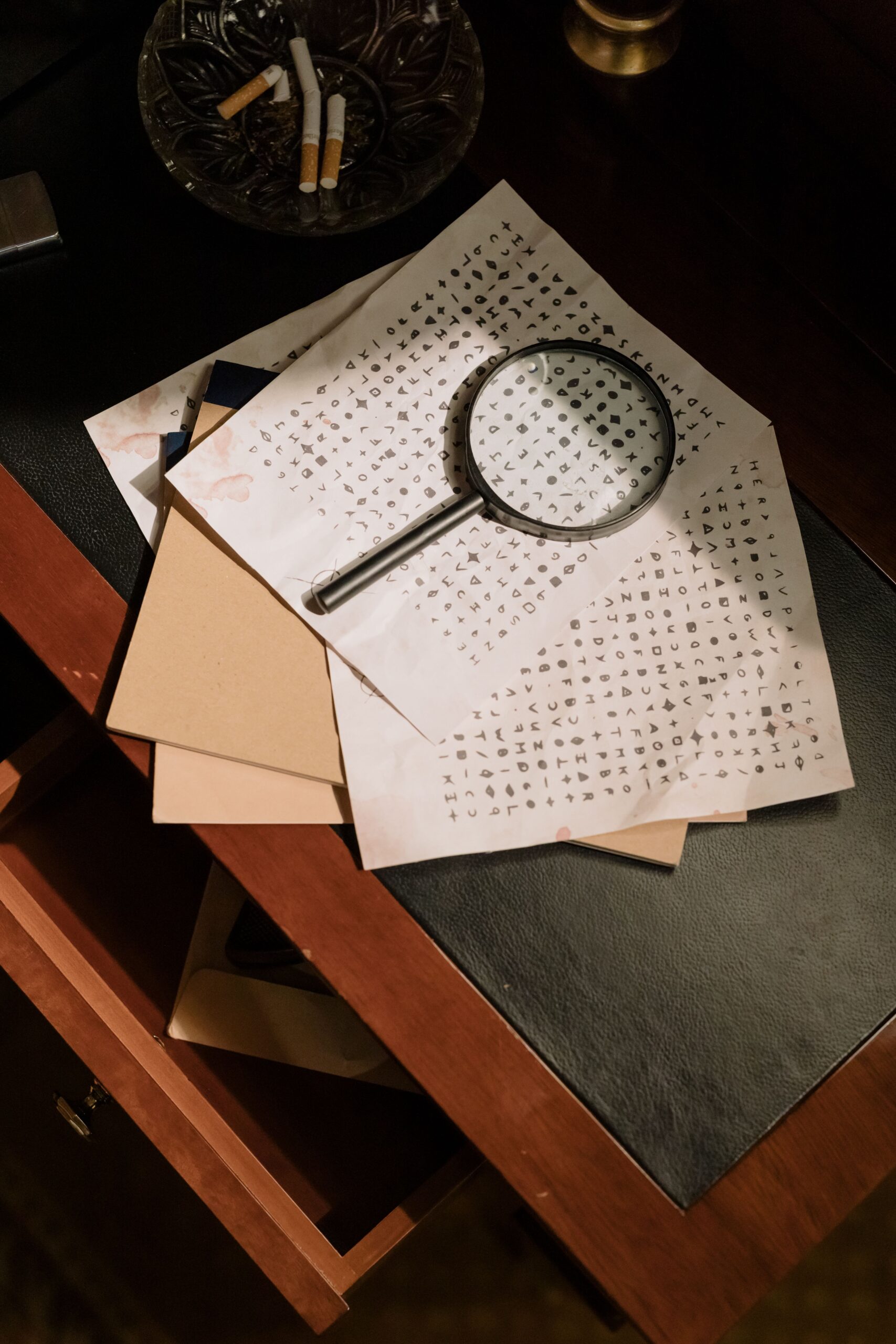
When Do You Need Evidence Collection?
A professional evidence collection service may benefit in these situations:
- Contests related to marriage or family relationships
- Separation, spousal abuse cases, child custody dispute
- Adultery or infidelity
- Case of misconduct or fraud in the business/employment
- Legal disputes regarding workplace/employee rights or conditions
- Corporate crimes such as embezzlement or fraud
- Business disagreements /dispute over company property
- Employment background checks
- Real property conflicts /land dispute
- Support services of a law case
- Misconduct investigation /corrupt employee /employee theft
- Corporate investigations
- Absent persons case/search for missing persons
Types of Evidence a Private Investigator May Collect
Photographic Evidence
The investigator takes or can get photographs legally that may relate to a person’s action or situation.
Video Evidence
The private investigator may gather video evidence, which may help to establish chronology or recording events.
Surveillance Evidence
With proper reason, the use of surveillance may help to record what people are doing. When it is done for a valid reason only and privacy laws are being respected the evidence may be of value.
Background Information
The investigator will check the validity and relevance of a subject’s information using different sources of information such as ID documentation, address confirmation, employment or business registration, or any other lawful data.
Publicly Available Information
Investigator may conduct research through public sources to get information and prepare reports.
Witness & Information Verification
When applicable, the investigator may identify a witness or cross-check/verify the content of an individual’s statement.
Document Verification
It’s legally permissible and ethical for certain documents, claims, credentials, or records to be verified for genuineness and authenticity.
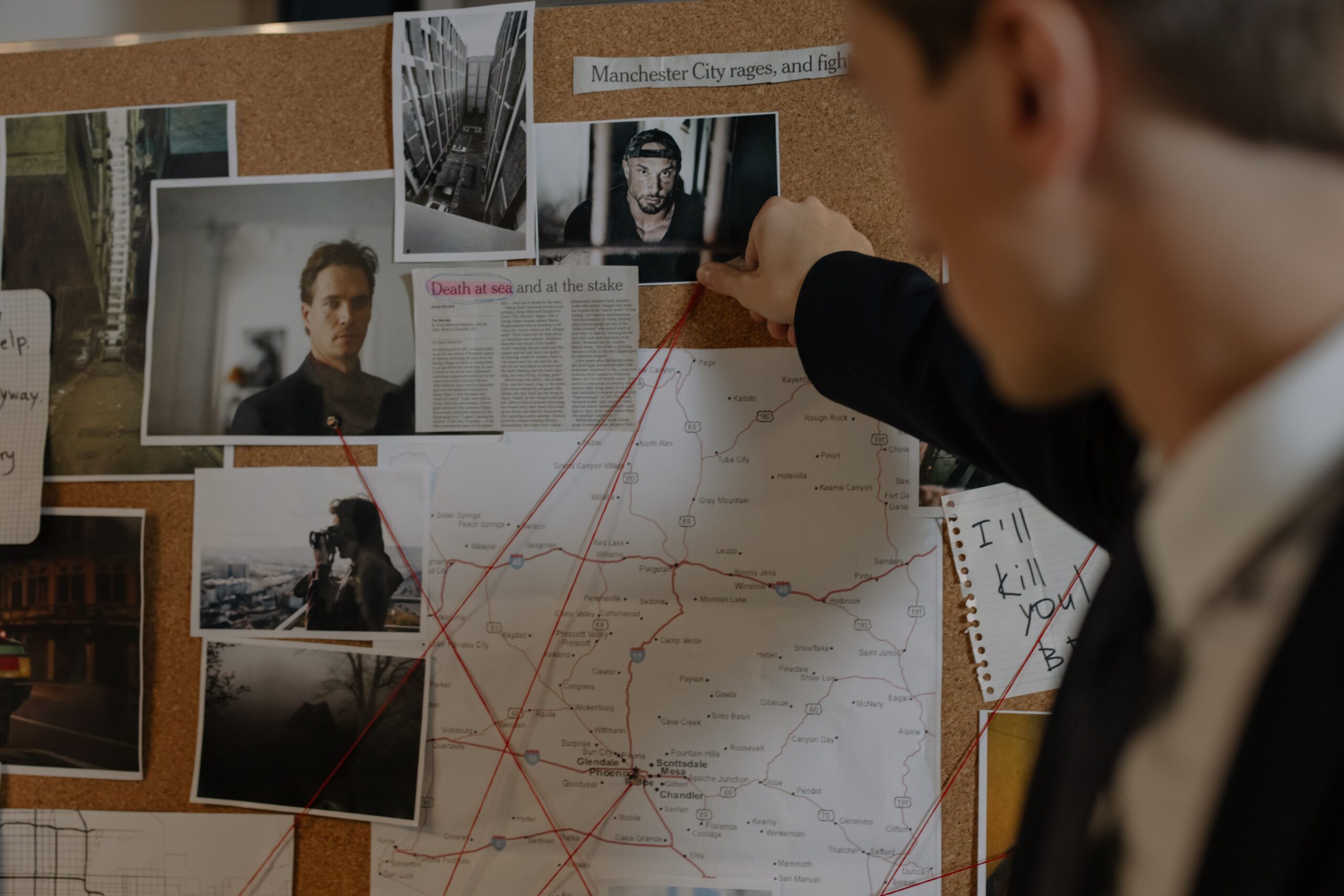
Evidence Collection Process
1. Case Consultation
Our experts listen and help you articulate your problem. We explore possible objectives, discuss what you have at hand, and identify types of evidence that might support your claims.
2. Investigation Assessment
Prior to the evidence collection, the investigator evaluates what data will be useful and how it can be gathered in a lawful and ethical manner.
3. Investigation Planning
Based upon the case characteristics and time frame a detailed plan is drawn.
4. Evidence Collection
Information is gathered through legitimate investigation, observations, verification, documentation, and other proper means.
5. Evidence Organization
The findings, such as dates, locations, observations, supporting documents, and so on (where appropriate) of various types, are all kept in a systematic manner.
6. Investigation Report
If needed, a straightforward report can provide the summary of major facts to the client and possibly also to their legal counsel.
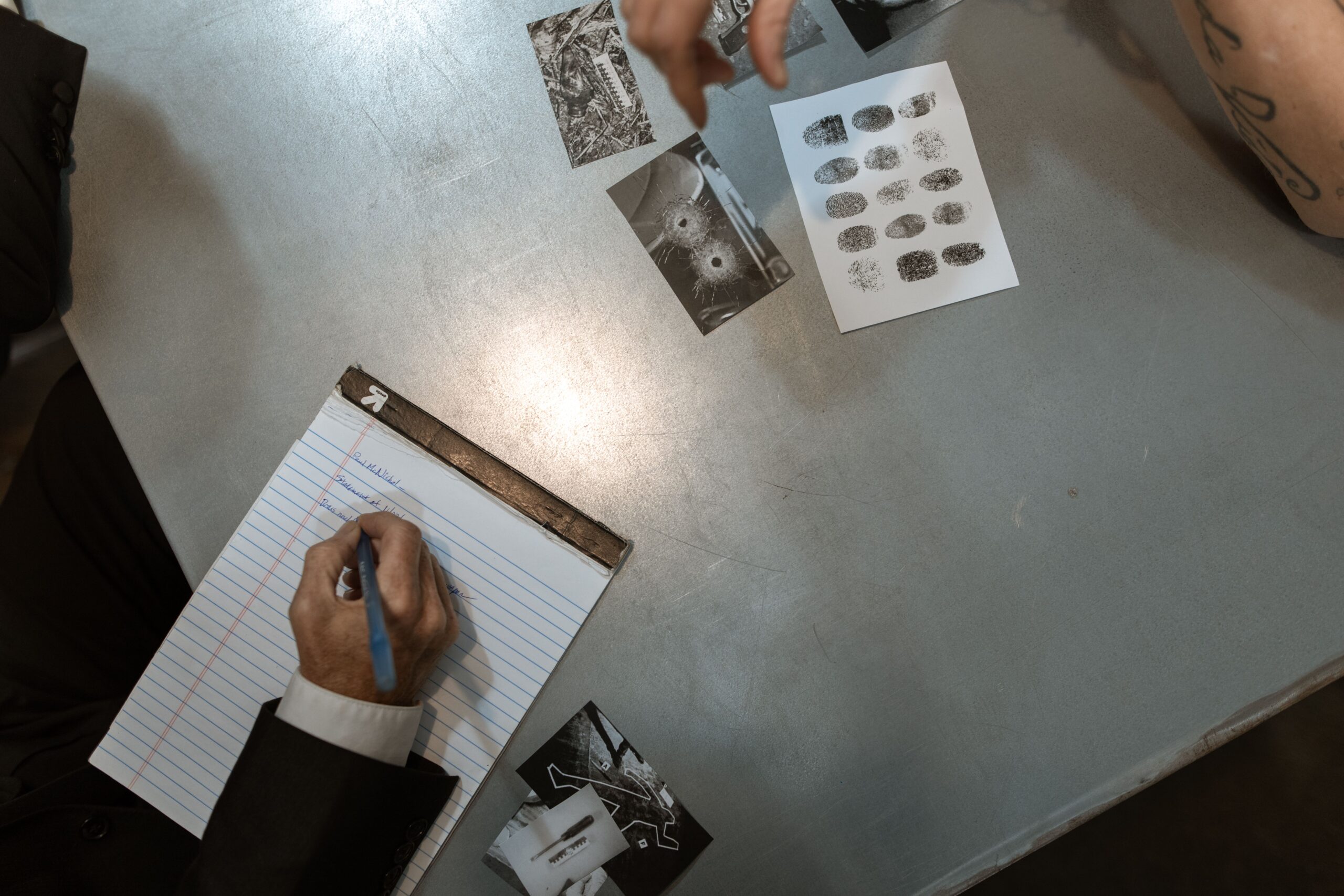
Why Professional Evidence Gathering is a Great Option?
A thorough investigation can bring you these advantages:
- Get the facts verified independently
- Record significant incidents happening
- Fix the order of the chronology
- Note down the deviations and mismatches in the evidence
- Put together a bunch of the scattered data
- Lesser dependence on guesses
- Aid the conversation with your lawyer
- Making better decisions.
Court Case Evidence Gathering
A court can become a battleground involving family, civil, employment, commercial disputes or other types of cases.
However, having pieces of evidence does not mean it will be accepted by a judge or magistrate.
Lawfulness of evidence, authenticity, relevance, trustworthiness, private matters, privacy issues, and admissibility of evidence in particular are factors that may make or break a case.
It always is wise to seek advice from a legal professional regarding the possibility and manner in which a particular investigative disclosure could be presented in court.
Discretionary & Confidential Investigation Help
Discreet and private investigators are the ones responsible for sensitive investigation jobs who know what it means to take good care of private information and apply investigative methods which are in order.
We are against any unlawful forms of investigations like:
- Breach of private accounts
- Hijacking passwords
- Use of hacking on a device without permission
- Secretly recording (without permission)
- Looting private property
- Intimidation
- Making it sound like the other person did something illegally (deceiving)
Legitimate evidence collection also serves to guarantee the protection of both the investigation itself and the individuals involved.
Do You Need Evidence Collected as Part of Your Investigation?
No matter if you need support in your family or marital dispute or in the case of your employee fraud, a business dispute, or litigation, the professional evidence search will help you turn questions into clear facts.
Come and let us know, a licensed investigator will be able to give you a confidential case analysis and talk to you about your evidence search needs today.
FAQs
1. What are Evidence Collection Services?
They are the gathering and recording of appropriate information by professional investigative procedures that have been recognized as lawful.
2. Can a private investigator collect evidence?
It’s legal and acceptable for the detective to collect evidence as well.
3. What kinds of evidence can be collected?
Besides evidence which is taken in a courtroom, photographs, videos, documents, and observation notes together with information retrieved from publicly available sources may be collected depending upon the nature of the case.
4. Is it true that evidence can be used in courts?
There is a possibility; however, its acceptability hinges on relevant legislation and the situation in which it was obtained.
5. Can you gather photographic evidence?
In a word, yes, photography is one way to gather visual facts.
6. Can you supply video evidence?
Recording video legally might be an option depending on the situation and how much privacy should be respected.
7. Is evidence gathering done secretly?
Professional investigations generally take place without people knowing, within legal framework and duties of the professional.
8. Can evidence be collected for divorce matters?
Certainly, the collection of evidence through legal channels will help to bring out the facts in matrimonial situations and family-related cases that are suitable.
9. What’s the duration of evidence collection?
The time required varies with the nature of the problem and the kind of evidence needed, location of the problem being, and the objectives.
10. How to initiate evidence collection?
Just give a call to and professional undercover detective and ask for private counseling and tell them what you need.